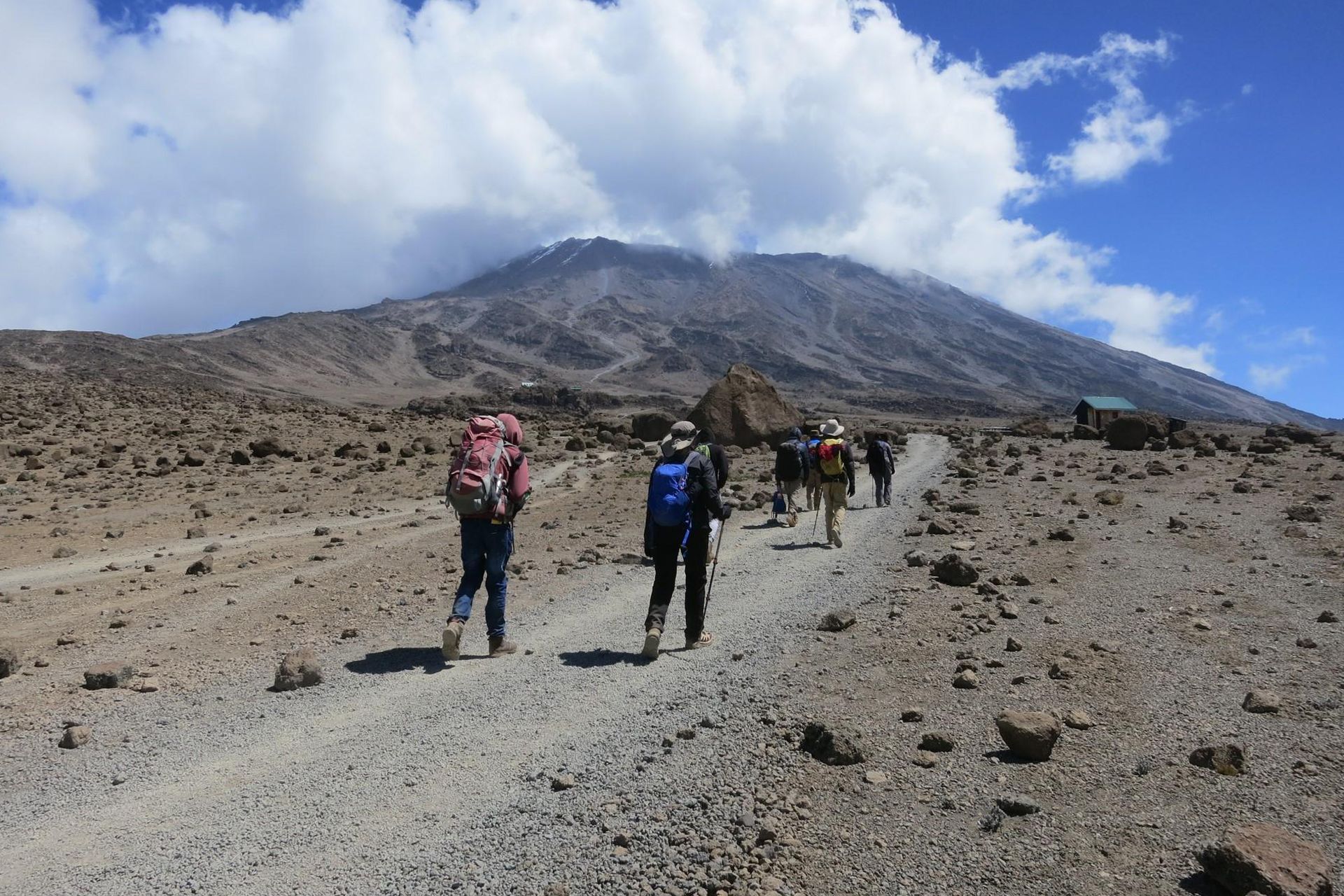
Set within the beautiful Kilimanjaro National Park in northeastern Tanzania, Mount Kilimanjaro, often referred to as ‘Kili’ or simply Kilimanjaro, stands as the tallest and most iconic mountain in Africa, and the tallest freestanding mountain in the world at 5,895 meters above sea level. Topping the bucket list of many trekkers, Kilimanjaro’s impressive summit attracts adventurers from around the globe.
One common question among those looking to climb Mount Kilimanjaro is, “How long does it take to climb Kilimanjaro?” The answer depends on which of the seven established routes you choose, with the trek taking anywhere from 5 to 9 days to reach the summit and descend. The more days you spend on the mountain, the better your chances of reaching the top, as increased acclimatization reduces fatigue and altitude sickness.
Kilimanjaro does not require technical mountaineering skills or equipment, making it accessible to many first-time altitude trekkers. However, this does not make the climb easy; it remains a formidable challenge. Whether you’re climbing for personal fulfillment or a charitable cause, it’s essential to consider how long you want to spend on the mountain and which route is best suited for you.
Several factors influence how long it takes to climb Kilimanjaro, including the chosen route, your body’s acclimatization to the altitude, your physical and mental stamina, and the time of year. To help you plan, we’ve compiled a detailed breakdown of the duration for each of the seven Kilimanjaro routes, factors that affect your time on the mountain, and some quick facts about the fastest ascents of this majestic peak.
If you take away one key piece of advice from this guide, let it be: slow and steady wins the race!

Factors influencing the duration of the Kilimanjaro climb
Numerous factors contribute to trekkers falling short of reaching Kilimanjaro’s summit: altitude-related ailments, timing of the trek, personal fitness, and mindset. Mtallo Tours And Safaris meticulously addresses these aspects across their Kilimanjaro routes, maintaining an exceptional summit success rate exceeding 90%. Their comprehensive blogs, ‘The Best Time to Climb Kilimanjaro’ and ‘Kilimanjaro Training Plan,’ offer invaluable insights from Mtallo Tours And Safaris experts to optimize your Kilimanjaro expedition.
Altitude sickness doesn’t discriminate, impacting novices and seasoned mountaineers alike. Symptoms, like headaches, are common and can escalate, posing threats to summit aspirations. While Acetazolamide (Diamox) aids in managing symptoms, gradual ascent, hydration, and regular breaks are pivotal in preventing and managing altitude sickness.
Kilimanjaro’s seasonal variations significantly influence trekking conditions and summit success rates. Optimal climbing periods, during the warmer and drier months from June to October and December to March, promise clearer skies and ideal trekking conditions, enhancing the likelihood of summiting.
Physical fitness profoundly influences the trek’s duration and enjoyment. Adequate fitness substantially increases the chances of summiting Kilimanjaro. Long hill walks and a solid training regimen prepare the body for the rigors of the ascent. Regardless of fitness level, a gradual ascent remains imperative for altitude acclimatization.
Mental preparation is as crucial as physical readiness. Climbing Kilimanjaro demands mental resilience to endure the slow, arduous ascent over several days. Upholding a positive attitude and perseverance are indispensable attributes for conquering the challenges of Kilimanjaro.

KILIMANJARO SUMMIT SUCCESS RATES
The duration of your climb on Kilimanjaro significantly impacts your chances of reaching the summit. Acclimatization to the altitude requires ample time, emphasizing the importance of a gradual ascent. Among the routes, the Machame Route stands out with the highest summit success rate, attributed to its extensive acclimatization periods, particularly beneficial for those with limited high-altitude trekking experience.
ESTIMATED TIME REQUIRED FOR EACH ROUTE
Kilimanjaro Machame Route:
Renowned for its diversity and natural beauty, the Machame Route presents challenging ascents and descents. While experienced climbers can complete it in a minimum of 6 days, it’s advisable to allocate an extra day for acclimatization, making it a 7-day trek.
Kilimanjaro Lemosho Route:
Offering stunning landscapes from lush rainforests to expansive moorlands, the Lemosho Route typically takes 8 to 10 days to traverse. Although some have completed it in 6 days, a longer expedition minimizes altitude-related risks.
Kilimanjaro Marangu Route:
As the most frequented route, the Marangu Route is popular for its gradual path to the summit. However, attempting to finish it in 5 days, as many do, yields low success rates. Opting for the 6-day variation improves summiting prospects.
Kilimanjaro Rongai Route:
Considered one of the easier routes, the Rongai Route spans 6 to 8 days, offering better altitude adaptation and increased summit success chances. Its northerly approach provides scenic views and less congestion, albeit at a slightly higher cost.
Kilimanjaro Northern Circuit:
The Northern Circuit, a remote and less-traveled route, offers breathtaking scenery and wildlife sightings. Completable in 9 days for less experienced high-altitude trekkers, it boasts one of the highest summit success rates.
Kilimanjaro Shira Route:
Originating near Shira Ridge, the Shira Route entails a minimum of 6 days but is prone to altitude-related challenges due to its elevated starting point. Additional days aid acclimatization and enhance summit prospects.
Kilimanjaro Umbwe Route:
Known for its brevity and difficulty, the Umbwe Route requires 6 to 7 days, but its steep, rapid ascent poses acclimatization difficulties. Recommended only for seasoned altitude trekkers, it has a lower summit success rate.


